
Energy Efficient HVAC: Your Guide to a Sustainable Home
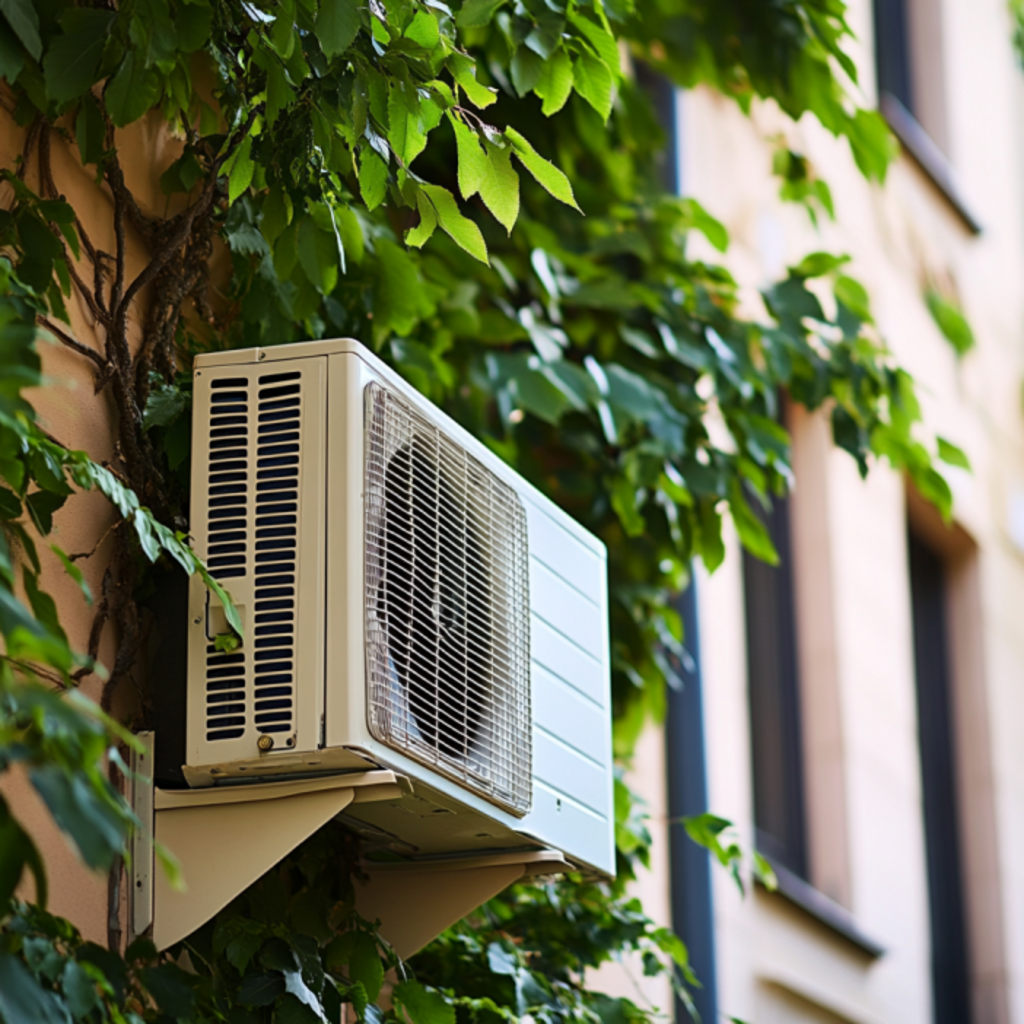
Upgrade to Energy-Efficient HVAC for Your Greater Chicago Home
Switching to energy-efficient HVAC systems is a smart move for Greater Chicago homeowners looking to balance comfort, cut costs, and be kinder to the environment. Heating and cooling typically make up more than half of a home’s energy usage. By upgrading to systems that work smarter, you can slash your utility bills by up to 50% and reduce your carbon footprint. This guide covers why sustainable HVAC is important, the best system choices—from heat pumps to ductless mini-splits—how smart controls boost efficiency, what to look for when picking a system, how to maintain it for long-term savings, local Illinois incentives, and why Comfort Air Control is your go-to partner. You’ll get clear benefits, practical advice for making decisions, and actionable steps to create a more comfortable, eco-friendly home in Deerfield and across the Greater Chicago area.
Why Upgrade to Energy-Efficient HVAC Systems for Your Home?
Energy-efficient HVAC means using heating, ventilation, and air conditioning technology that delivers the same or better comfort while using less electricity or fuel. These systems feature advanced compressors, variable-speed motors, or innovative heat exchange methods for superior performance. Beyond saving money, efficiency upgrades also improve indoor air quality and system reliability, meaning fewer breakdowns. Homeowners in Deerfield and throughout Greater Chicago can look forward to more consistent temperatures, quieter operation, and a smaller environmental impact.
Understanding these advantages sets the stage for exploring the detailed benefits, carbon reduction potential, and financial savings that energy-efficient HVAC systems deliver.
What Are the Key Benefits of Energy-Efficient HVAC?
Energy-efficient HVAC systems offer three main advantages that directly benefit your comfort and your wallet:
- Lower Utility Bills – Advanced compressors and variable-speed fans adjust their output to meet your needs, cutting down on wasted energy and reducing your monthly expenses.
- Consistent Indoor Comfort – Precise temperature control eliminates hot and cold spots, ensuring steady warmth in the winter and cool comfort in the summer.
- Longer Equipment Life – Optimized operation cycles put less strain on components, leading to fewer repairs and a longer lifespan for your system.
These benefits translate into sustained comfort, predictable energy costs, and a reduced environmental impact, guiding homeowners toward smarter system choices.
How Do Energy-Efficient Systems Reduce Your Carbon Footprint?
Energy-efficient HVAC systems cut down on greenhouse gas emissions by using less electricity or fuel to provide the same amount of heating and cooling. Systems like heat pumps move thermal energy instead of creating it through combustion, reducing reliance on fuels that produce carbon. Variable-speed drives further prevent energy waste by matching the speed of the compressor and blower to the exact demand. By lowering overall energy consumption, these systems support local sustainability goals and contribute to broader environmental efforts.
Reducing your carbon output not only helps the planet but also helps homeowners meet evolving building codes and qualify for eco-friendly rebate programs.
How Much Can You Save on Energy Bills with Efficient HVAC?
Homeowners typically see heating cost reductions of 20% to 50% after switching to high-efficiency heat pumps or geothermal systems. In Chicago’s climate, an air-source heat pump with a coefficient of performance (COP) above 3.0 can often save you 30% compared to older electric resistance heating. Adding a smart thermostat can boost annual savings by another $100 by reducing runtime during peak hours. Over a decade, the cumulative savings on utility bills can significantly offset installation costs, making energy-efficient HVAC a wise financial decision.
Understanding potential savings builds confidence when evaluating system types and long-term payback periods.
What Are the Best Energy-Efficient HVAC System Types for Homes?
Energy-efficient HVAC systems include several advanced technologies that utilize ambient or ground energy, eliminate combustion losses, or optimize airflow. The following table outlines the primary options, explaining how they work and their key efficiency ratings.
| System Type | How It Works | Efficiency Metric |
|---|---|---|
| Air-Source Heat Pump | Pulls heat from the outdoor air and transfers it inside | COP up to 3.5 |
| Ground-Source (Geothermal) | Circulates fluid through underground pipes to exchange heat | COP up to 4.5 |
| Ductless Mini-Split | Uses individual indoor units with variable-speed compressors | SEER 20+ |
| High-Efficiency Furnace | Burns fuel at higher AFUE ratings, minimizing exhaust waste | AFUE 95–98% |
How Do Heat Pumps Work and What Are Their Efficiency Ratings?
Heat pumps transfer heat rather than generate it, using electric compressors and refrigerant to move thermal energy between your home’s indoor and outdoor environments. Air-source models capture warmth from the outside air, even when temperatures are below freezing, while ground-source systems tap into the stable temperatures found underground via buried loops. Efficiency is measured by the coefficient of performance (COP), which typically ranges from 2.5 to 4.5, depending on the system’s design and the climate. Higher COP values mean more heat is delivered for each unit of electricity used, directly leading to lower operating costs. For more information about heat pumps, check our heat pump services.
Understanding COP ratings helps you compare models and estimate energy savings under Chicago’s varying seasonal temperatures.
What Are the Advantages of Ductless Mini-Split Systems for Zoned Comfort?
Ductless mini-split systems use individual indoor air handlers connected to an outdoor compressor, allowing for zoned temperature control without the need for central ductwork. Variable-speed inverter compressors precisely adjust power to meet the heating or cooling needs of each zone, minimizing energy waste. With Seasonal Energy Efficiency Ratios (SEER) often exceeding 20, these systems offer efficient operation and quieter performance than traditional units. Zoned installation also reduces energy loss through ducts and lets you set custom comfort levels in different rooms, avoiding energy use in unoccupied areas.
Zoned capabilities and high SEER ratings make ductless systems a flexible, energy-saving choice for home additions or renovations.
How Does Geothermal HVAC Provide Sustainable Heating and Cooling?
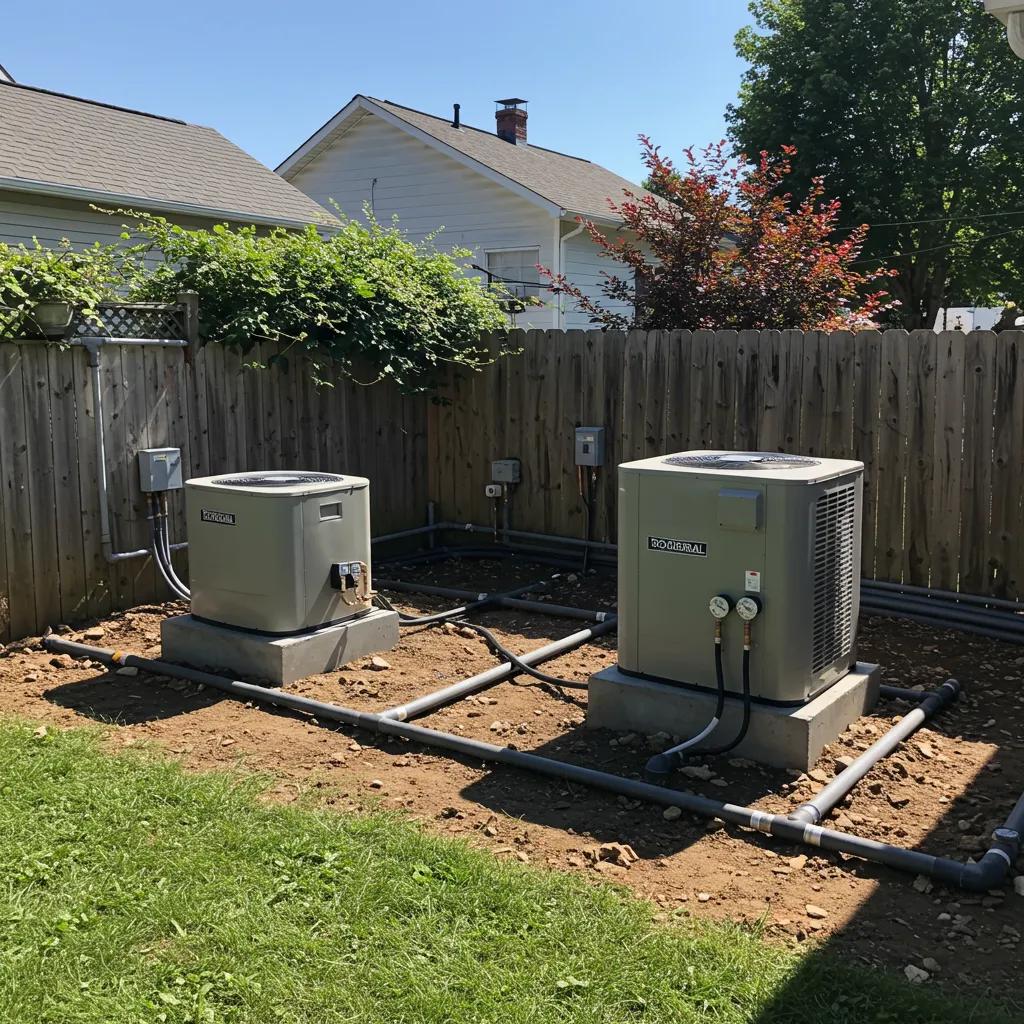
Geothermal HVAC systems tap into the earth’s consistent underground temperature by circulating a fluid through buried loops. In winter, heat absorbed from the ground warms your home; in summer, excess indoor heat is released back into the earth. These systems can achieve COP values up to 4.5, significantly outperforming air-source heat pumps in extreme weather. While the initial cost of installing boreholes or horizontal loops is higher, long-term utility savings and minimal maintenance offer a strong return on investment over decades.
A geothermal system aligns with sustainable building practices by replacing fossil-fuel reliance with renewable ground energy.
When Should You Consider High-Efficiency Furnaces and Air Conditioners?
High-efficiency furnaces and air conditioners are excellent choices for homeowners looking for straightforward upgrades without major renovations. Furnaces with an AFUE (annual fuel utilization efficiency) rating of 95–98% use less fuel by minimizing exhaust losses, while modern air conditioners with SEER ratings above 16 provide significant cooling savings. These units can often be installed in existing ductwork and require a lower initial investment than geothermal or zoned systems. Consider these options when budget, property layout, or building codes limit more complex retrofits.
Choosing high-efficiency furnaces or AC units offers a practical balance of cost-effectiveness and energy improvement for many Chicago homes.
How Can Smart Controls Maximize Your HVAC System’s Energy Efficiency?
Smart controls use sensors, machine learning, and connectivity to optimize HVAC operation based on when your home is occupied, weather forecasts, and utility pricing. By dynamically adjusting temperature settings, these systems minimize runtime during low-demand periods and prevent energy waste. This intelligent coordination also ensures that multiple HVAC components—like compressors, fans, and auxiliary heaters—work together for peak performance, reducing energy use while maintaining comfort and extending system life.
Exploring the capabilities of smart thermostats and control panels reveals opportunities to achieve even greater efficiency from a modern HVAC installation.
What Are the Benefits of Smart Thermostats for Energy Savings?
Smart thermostats learn your household’s routines, adapt to changes in occupancy, and use algorithms to predict temperature needs. Features like geofencing automatically switch your system to an energy-saving mode when everyone leaves home. Integration with real-time utility rates allows you to shift energy usage away from expensive peak times, potentially saving $100 or more annually. Data insights and remote access empower you to monitor performance and make informed adjustments, promoting proactive energy management.
Intelligent scheduling and predictive control transform a simple interface into a powerful tool for ongoing efficiency gains.
How Do Advanced HVAC Control Panels Optimize System Performance?
Advanced control panels act as the central hub for multi-component HVAC systems, coordinating compressors, variable fans, and backup heat sources. By monitoring pressures, temperatures, and airflow in real time, these panels adjust output to precisely match demand, reducing short-cycling and mechanical stress. Integration with building management systems allows for remote diagnostics, fault detection, and performance tuning, minimizing downtime. Enhanced controls extend equipment lifespan, maintain peak efficiency, and provide detailed alerts for proactive maintenance.
Optimized coordination of system elements ensures energy-efficient operation and a smoother, more reliable indoor climate.
What Factors Should You Consider When Choosing an Energy-Efficient HVAC System?
Selecting the right HVAC solution involves more than just comparing prices; it means matching system features to your home’s size, climate, energy goals, and installation possibilities. Key factors include efficiency ratings (SEER, HSPF, AFUE), proper system sizing, local weather patterns, your budget, available incentives, and long-term maintenance needs. A comprehensive decision-making process ensures your system performs optimally and delivers the savings you expect.
Evaluating these factors lays the groundwork for understanding specific efficiency ratings, installation requirements, and regional influences.
Higher ratings indicate less wasted energy and more comfort delivered per unit of input. Choosing equipment with well-informed ratings ensures compliance with local codes and maximizes your utility savings.
Why Is Proper HVAC System Sizing and Installation Critical?
Correct sizing prevents short-cycling and ensures your system can meet heating or cooling demands without overworking its components. Oversized systems waste energy by frequently starting and stopping, while undersized units run constantly without reaching the desired temperature. Professional installation ensures ductwork design, refrigerant levels, and airflow parameters match manufacturer specifications. Precise installation minimizes energy waste, enhances indoor comfort, and protects manufacturer warranties.
Accurate load calculations and expert installation are the foundation of an efficient, reliable HVAC system.
How Does Climate Influence Your HVAC System Choice in Chicago?
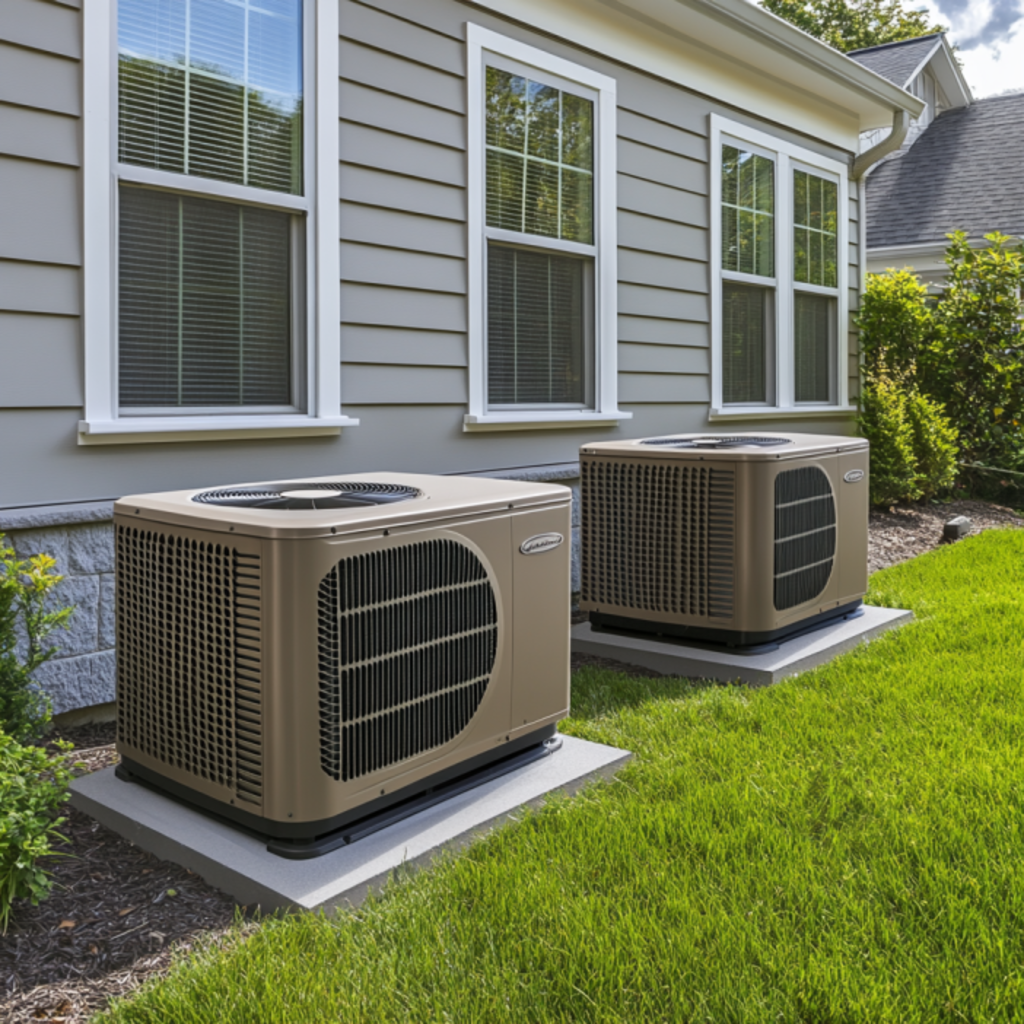
Chicago’s hot, humid summers and cold winters present distinct challenges for HVAC equipment. Air-source heat pumps need to maintain efficiency in low temperatures, so choosing models known for strong low-ambient performance is crucial. Geothermal systems benefit from the region’s stable underground temperatures, offering consistent year-round performance. Ductless mini-splits are ideal for older homes without existing ductwork, providing flexible zoning that addresses both winter heating and summer cooling needs. Matching your system type to seasonal extremes ensures year-round comfort and peak efficiency.
Local climate data guides equipment selection for reliable operation throughout Greater Chicago’s temperature fluctuations.
What Is the Typical Cost of Geothermal HVAC Installation in Illinois?
Geothermal HVAC installation in Illinois typically ranges from $15,000 to $25,000, depending on the loop configuration, property size, and soil conditions. Horizontal loop installations on larger properties tend to be at the lower end of this range, while vertical borehole systems in smaller spaces require deeper drilling and incur higher costs. Available state and federal incentives can cover up to 30% of project expenses, improving the return on investment. Evaluating long-term energy savings against the initial outlay helps homeowners determine if geothermal is the best sustainable solution.
Cost analysis clarifies the balance between installation investment and decades of reduced utility expenses.
How Does Regular HVAC Maintenance Improve Energy Efficiency and System Longevity?
Routine maintenance ensures every part of your HVAC system operates at peak efficiency by identifying and fixing issues before they become major problems. Regularly changing filters, cleaning coils, and checking refrigerant levels maintain optimal airflow and heat exchange. Professional tune-ups inspect electrical connections, calibrate controls, and test system functions, preventing costly breakdowns. Consistent maintenance reduces energy waste, lowers repair costs, and extends your equipment’s lifespan, protecting your investment and ensuring sustained indoor comfort.
A proactive maintenance strategy complements high-efficiency equipment to maximize its performance over its entire lifecycle.
What Maintenance Practices Help Maximize HVAC Efficiency?
Effective maintenance involves three key practices:
- Change or clean air filters every 1–3 months to ensure unobstructed airflow and reduce the energy used by your blower.
- Inspect and clean evaporator and condenser coils annually to maintain heat-exchange efficiency and prevent frost buildup.
- Schedule professional tune-ups with certified technicians to verify refrigerant levels, lubricate moving parts, and test system controls.
These practices keep your system running at peak performance and support long-term energy savings.
How Can Comfort Air Control Support Your HVAC Maintenance Needs?
Comfort Air Control’s family-owned team provides 24/7 emergency service, prompt inspections, and fair pricing with no pressure to upsell. Our technicians follow manufacturer guidelines for every tune-up, ensuring refrigerant charge, airflow rates, and component operation meet optimal standards. With preventive maintenance plans designed for Greater Chicago homes, we minimize downtime and help maintain warranty coverage. Annual inspections and proactive service recommendations help you avoid unexpected failures and keep your system running at high efficiency throughout its lifespan.
What Local Incentives and Rebates Are Available for Energy-Efficient HVAC in Illinois?
Illinois homeowners can take advantage of various state and federal incentives to lower the initial cost of energy-efficient systems. Programs from the Illinois Clean Energy Community Foundation, federal tax credits under the Inflation Reduction Act, and rebates from utility companies reward the installation of qualified heat pumps, geothermal systems, and smart thermostats. Combining multiple incentives can reduce net project expenses by thousands of dollars, speeding up the payback period for sustainable upgrades.
Which Government Programs Support Heat Pump and Geothermal Installations?
Several key incentive programs are available:
- State tax credits for air-source and ground-source heat pump installations, managed by the Illinois Clean Energy Community Foundation.
- Federal tax credits of up to 30% under the Inflation Reduction Act for geothermal and high-efficiency heat pump systems.
- Utility rebates from Commonwealth Edison and Ameren Illinois for qualifying SEER-rated air conditioners and HSPF-rated heat pumps.
These programs can often be combined to significantly reduce overall project costs.
How Can You Apply for Energy Efficiency Rebates with Comfort Air Control?
To help you secure rebates, Comfort Air Control assists homeowners with application forms, equipment qualification, and necessary documentation. We confirm that your chosen equipment meets program requirements, prepare rebate forms, and submit supporting invoices on your behalf. Our team monitors the approval process and ensures all criteria are met, simplifying the rebate process and accelerating your savings. With our expert guidance, you can access every available incentive for your sustainable HVAC upgrade.
Why Choose Comfort Air Control for Your Sustainable HVAC Solutions in Deerfield and Greater Chicago?
Comfort Air Control has been a family-owned HVAC provider in Deerfield since 1986, known for responsive, fair, and expert service. We specialize in installing energy-efficient heat pumps and ductless systems, along with comprehensive solutions for AC, heating, and indoor air quality. Our commitment to transparent pricing, ethical service with no upselling, and 24/7 emergency support ensures you enjoy sustainable comfort without any surprises.
What Makes Comfort Air Control a Trusted Family-Owned HVAC Provider?
Founded by Michael Hanna and now led by his son Louis, Comfort Air Control combines decades of industry experience with strong community ties. Our technicians receive ongoing training to stay current with the latest efficiency technologies and best practices. As a local business, we understand the unique climate challenges and building requirements of Chicagoland, delivering customized solutions that enhance comfort and sustainability for families and businesses alike.
How Does Comfort Air Control Ensure Quick, Affordable, and Fair HVAC Service?
Prompt scheduling, clear estimates, and honest recommendations are the foundation of our service. We provide straightforward system assessments, recommend only necessary upgrades, and honor quoted prices without hidden fees. With 24/7 emergency availability, our team responds quickly to diagnose and resolve critical issues, minimizing your downtime. This customer-first approach builds trust and fosters long-term relationships throughout Greater Chicago.
How Can You Request a Free Consultation for Energy-Efficient HVAC Systems?
To start your journey toward a more sustainable HVAC system, simply contact Comfort Air Control through our website’s contact form or reach out via our Google Business Profile. Our specialists will arrange a complimentary consultation to evaluate your home, discuss efficiency options, and estimate potential savings. You’ll receive a detailed proposal with system recommendations, performance projections, and information on available incentives, empowering you to make a well-informed decision.
Take the first step toward a greener, more comfortable home by scheduling your free consultation today.
