
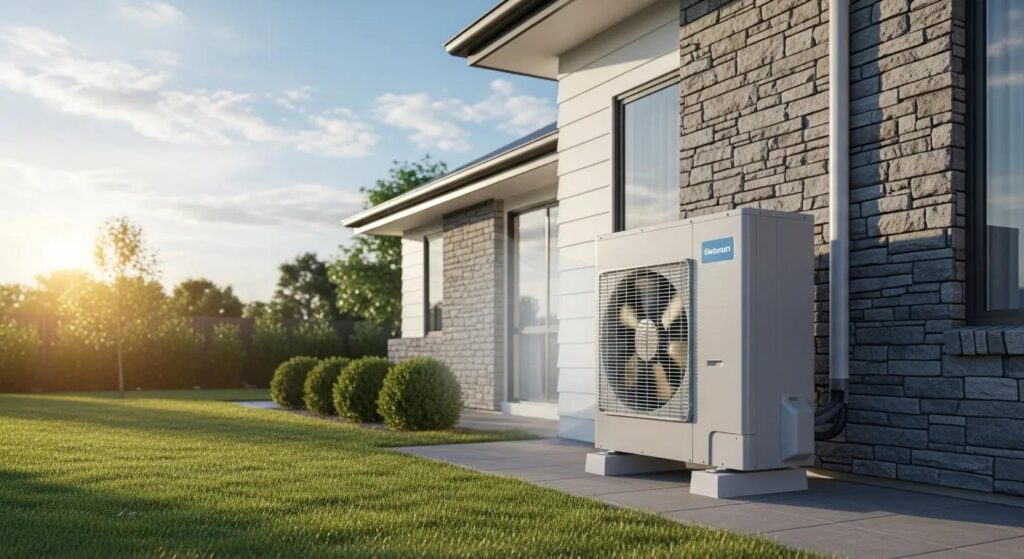
Heat pumps keep homes comfortable all year, but like any mechanical system they can run into problems that reduce performance. This guide walks you through the most common heat pump issues, how to diagnose them, and simple fixes you can try. We’ll also explain when it’s time to call a pro and how Comfort Air Control supports homeowners across the Greater Chicago area with fast, reliable service.
Why Is My Heat Pump Not Heating? Common Causes and Solutions
If your heat pump isn’t warming your home like it should, several common causes are usually behind it — from simple settings to mechanical problems. Knowing what to check first can save time and get your system back to normal faster.
How Can Thermostat Malfunctions Affect Heat Pump Heating Performance?
A thermostat that’s set wrong or not working properly may never tell the heat pump to run. Start by confirming the thermostat is set to Heat and the target temperature is higher than the room temperature. Other red flags include inconsistent temperatures, a display that’s blank or unresponsive, or controls that don’t change the system’s behavior. If the thermostat seems faulty, replacing batteries, checking wiring (or calling us to inspect it) usually fixes the problem.
What Role Do Dirty Air Filters and Low Refrigerant Play in Heating Problems?
Restricted airflow from dirty filters forces the heat pump to work harder and can lead to poor heating or even ice on the outdoor coil. Replace or clean filters every 1–3 months depending on use. Low refrigerant will also reduce heating capacity; signs include ice on coils, hissing sounds, or weak airflow. Refrigerant issues require a licensed technician to locate leaks and recharge the system safely.
What Are the Causes of Heat Pump Making Strange Noises?
Odd sounds usually point to a mechanical or electrical issue. Listening carefully to the noise — when it happens and what it sounds like — helps narrow down the cause and decide whether it’s an easy fix or needs professional attention.
Which Noises Indicate Mechanical Issues Like Compressor or Fan Problems?
Grinding, squealing, or loud rattling often means a mechanical part is failing — bearings, motors, or loose components on the fan or compressor. If you hear these noises, turn the system off to avoid more damage and schedule a professional inspection. Ignoring mechanical noises can lead to larger, costlier repairs.
How Do Electrical Issues Contribute to Unusual Heat Pump Noises?
Buzzing, clicking, or humming can be signs of electrical trouble, such as failing capacitors, contactors, or loose wiring. Electrical problems create safety risks, so avoid poking at components yourself. Call a qualified technician to diagnose and replace faulty electrical parts safely.
How to Troubleshoot Heat Pump Short Cycling and Its Common Triggers
Short cycling — the unit turning on and off frequently — wastes energy and shortens equipment life. Pinpointing the cause quickly helps prevent higher utility bills and premature breakdowns.
Why Does an Oversized Heat Pump Cause Short Cycling?
An oversized unit reaches the set temperature very quickly and shuts off, then restarts soon after — that’s short cycling. It creates temperature swings and extra wear on components. Proper system sizing during installation is key; if your home was remodeled or the system replaced incorrectly, a technician can recommend fixes like adjusting controls or replacing equipment.
How Do Clogged Filters and Low Refrigerant Levels Lead to Short Cycling?
Clogged filters restrict airflow and can cause the system to overheat or freeze, triggering shutdowns. Low refrigerant can make the unit run inefficiently and cycle more often. Regular filter changes and periodic refrigerant checks help prevent these issues and keep cycles at a healthy rate.
What Causes a Heat Pump to Freeze and How Can It Be Resolved?
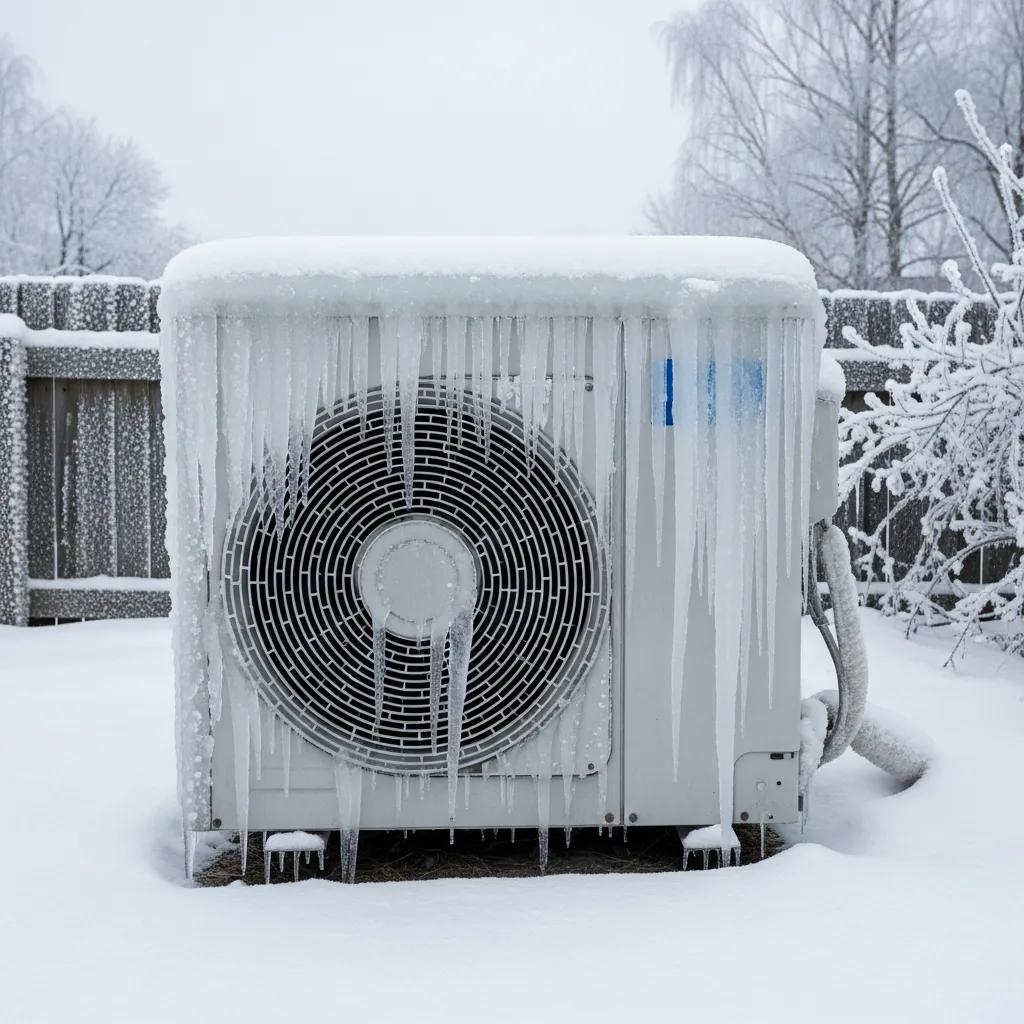
Ice on the outdoor unit stops proper heat exchange and reduces heating power. Freezing can stem from airflow problems, refrigerant leaks, or a defrost cycle that isn’t working correctly. Identifying the root cause determines the right fix.
How Does a Defrost Cycle Malfunction Result in a Frozen Outdoor Unit?
What Are the Effects of Blocked Airflow and Low Refrigerant on Freezing?
Blocked airflow — from clutter around the outdoor unit or dirty filters — prevents warm air from reaching the coil, promoting ice formation. Low refrigerant reduces heat transfer and can cause the coil to get too cold and freeze. Clearing obstructions and addressing refrigerant issues typically resolve freezing problems.
How to Identify and Fix Heat Pump Electrical Problems Safely
Electrical faults can stop a heat pump from running and create safety hazards. Spotting the signs early helps protect your system and your home.
What Are the Signs of Tripped Circuit Breakers and Faulty Capacitors?
If your heat pump won’t start, check the home’s breaker panel for tripped breakers or blown fuses and reset them if safe to do so. Humming, clicking, or failure to start may indicate a failing capacitor. Because capacitors hold charge, leave diagnosis and replacement to a licensed technician to avoid injury.
How Can Wiring Problems Affect Heat Pump Operation and Safety?
When Should You Call a Professional for Heat Pump Repair and Maintenance?
Some problems you can safely troubleshoot at home; others need trained technicians. Knowing which is which keeps you and your system safe.
Which Heat Pump Problems Require Expert Diagnosis and Repair?
Always call a professional for refrigerant leaks, major electrical faults, compressor or motor failures, and if the system repeatedly trips breakers. These issues require certified tools, parts, and knowledge — attempting DIY repairs can be dangerous and void warranties.
How Does Comfort Air Control Provide 24/7 Emergency Heat Pump Services in Chicago?
Comfort Air Control offers round‑the‑clock emergency service across the Greater Chicago area. Our technicians are licensed, trained, and stocked to handle common and complex heat pump problems quickly — day or night — to keep your home comfortable when you need it most.
| Problem Type | Common Causes | Recommended Action |
|---|---|---|
| Heat Not Working | Thermostat settings or faults, dirty filters, low refrigerant | Verify thermostat, replace filters, call a technician if needed |
| Strange Noises | Worn mechanical parts, loose components, electrical faults | Note sound type and timing, shut down if loud, schedule inspection |
| Short Cycling | Oversized unit, clogged filters, low refrigerant | Check filters, review system sizing, have refrigerant checked |
| Freezing | Defrost failure, blocked airflow, low refrigerant | Clear obstructions, replace filters, call for defrost/refrigerant repair |
| Electrical Issues | Tripped breakers, faulty capacitors, damaged wiring | Inspect panel (safely), then contact a licensed technician |
This table gives a quick reference to common heat pump problems, likely causes, and practical next steps. Regular maintenance and prompt attention to warning signs will keep your system running efficiently and avoid larger repairs down the road.
Heat pumps are central to year‑round comfort, and many issues are preventable with simple upkeep and timely professional care. Keep filters fresh, keep the outdoor unit clear, and schedule yearly inspections to extend equipment life. If a problem won’t go away, don’t hesitate to contact Comfort Air Control — we’re here to help homeowners across the Greater Chicago area.
Frequently Asked Questions
What maintenance tasks should I perform regularly on my heat pump?
Keep filters clean or replaced every 1–3 months, clear leaves and debris from the outdoor unit, and check that vents are open and unobstructed. Have a professional perform an annual tune‑up to check refrigerant, electrical connections, and moving parts. These steps improve efficiency and prevent surprise breakdowns.
How can I improve the efficiency of my heat pump?
Improve insulation and seal air leaks in your home, replace filters on schedule, and use a programmable thermostat to avoid wasted run time. Also make sure the outdoor unit has good clearance and is free from debris. Regular professional maintenance ensures your system operates at peak efficiency.
What should I do if my heat pump is blowing cold air?
First confirm the thermostat is set to Heat and the temperature is set higher than the room temperature. Check and replace dirty filters, and look for ice on the outdoor unit. If the unit still blows cold air, contact a technician — it could be a refrigerant or defrost issue.
Can I troubleshoot heat pump issues myself?
You can handle basic checks: thermostat settings, filter changes, and removing debris from around the outdoor unit. For refrigerant problems, electrical faults, or major mechanical issues, call a licensed technician to avoid safety risks and further damage.
How long can I expect my heat pump to last?
Most heat pumps last about 10–15 years, depending on usage, maintenance, and equipment quality. Regular service and timely repairs help extend life. If your system is older and repair costs are rising, it may be time to consider replacement for better efficiency.
What are the benefits of upgrading to a newer heat pump model?
Newer models offer higher efficiency, quieter operation, and improved temperature control. Upgrading can lower utility bills, reduce carbon footprint, and provide better comfort. Modern units also often include longer warranties and smart thermostat compatibility.
Conclusion
Knowing the common heat pump problems and how to respond helps you keep your home comfortable and avoid costly repairs. Regular maintenance, timely filter changes, and professional inspections are your best defenses. If you need expert service in the Greater Chicago area, Comfort Air Control is ready to help — reliable, local, and available when you need us.
